Choosing the Right General Contractor: Your Comprehensive Guide to Effective Home Projects
Selecting the right general contractor is a critical decision in any home project. The contractor's proficiency and communication can substantially influence the outcome. Multiple factors come into play, from experience to client feedback. Understanding these elements can help homeowners navigate the selection process effectively. What key qualities should one emphasize? And how can one secure a smooth collaboration? These questions are critical for achieving a successful project.
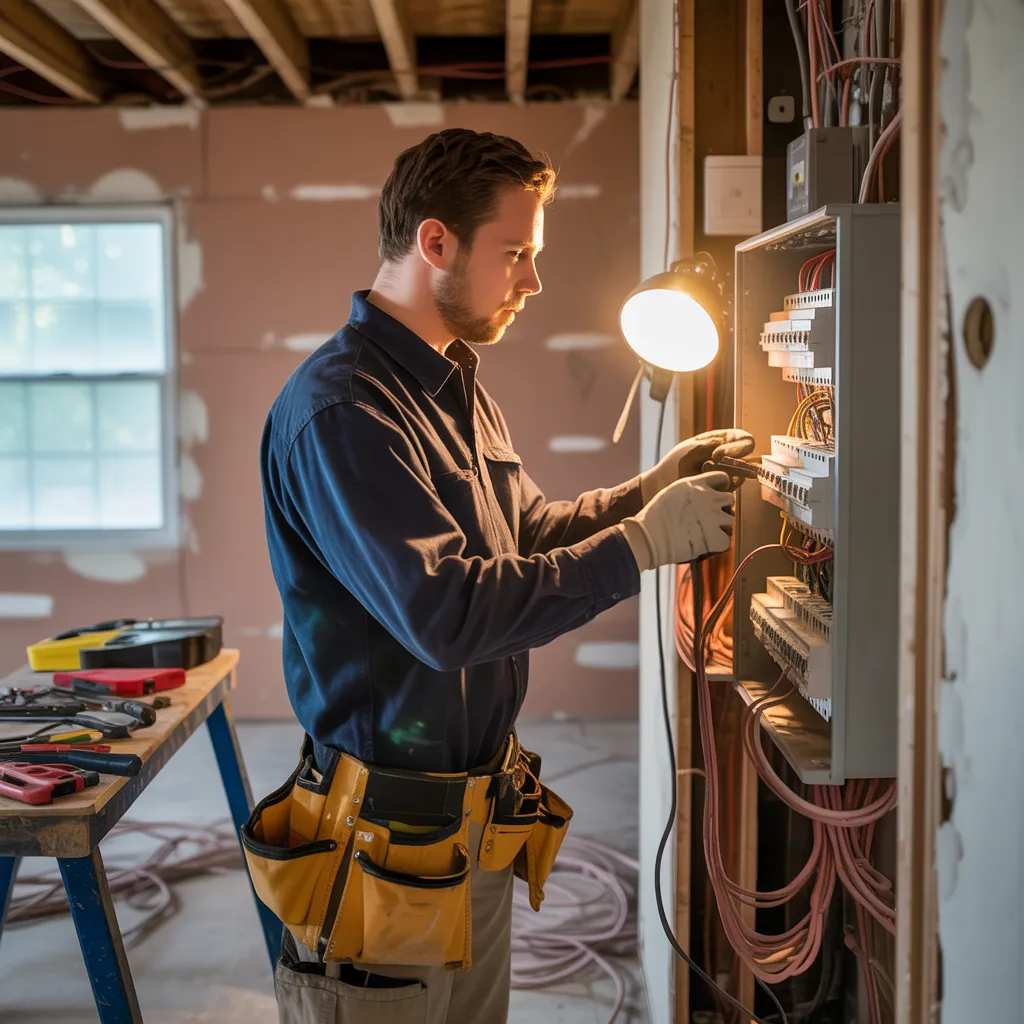
Understanding the Role of a General Contractor
A general contractor operates as the central figure in construction projects, overseeing various aspects to deliver successful execution. This role comprises a wide range of responsibilities, such as project planning, scheduling, and coordination of subcontractors. The general contractor functions as the primary point of communication between clients, architects, and suppliers, seeing to it that all parties remain informed and aligned throughout the project lifecycle.
Beyond managing the workforce, the general contractor is responsible for securing necessary permits and complying with local building codes. They oversee resource allocation and budgeting to ensure financial control and efficiency. Risk management is also a vital component, as the general contractor must foresee potential issues and implement solutions to minimize delays or cost overruns. Ultimately, the general contractor's leadership and expertise directly impact the overall quality and timing of the construction project, making them an invaluable asset in fulfilling the client's vision.
Important Qualities to Seek in a Contractor
In selecting a contractor, it is important to prioritize key qualities that secure a successful partnership. First, effective communication is crucial; a contractor should be able to communicate clearly their vision, updates, and any challenges that occur during the project. Reliability is another key trait; a dependable contractor honors timelines and commitments, confirming that the project proceeds smoothly.
Additionally, expertise in the exact type of work necessary can substantially influence the quality of the final deliverable. A portfolio of past work can display this expertise. Additionally, a strong reputation, often reflected in positive reviews and testimonials, reveals a contractor's devotion to customer satisfaction. Lastly, transparency in pricing and contracts fosters trust, permitting homeowners to understand the financial components without hidden surprises. By emphasizing these key qualities, homeowners can identify a contractor who aligns with their project goals and encourages a constructive working relationship.
Interview Questions You Should Ask
Choosing the right contractor involves not only pinpointing key qualities but also engaging in a detailed interview process. During this stage, homeowners should develop essential questions to assess a contractor's suitability.
To start, seek information on their track record with comparable projects, which can reveal their knowledge and capacity. It's also crucial to obtain references from prior customers to assess how satisfied they were. Homeowners should confirm the contractor's license and insurance credentials, verifying compliance with legal standards.
Furthermore, examining their project management methodology can provide insights into communication and efficiency. Homeowners should also review timelines and availability to verify the contractor can meet project deadlines. Finally, asking about their preferred subcontractors can reflect the quality of work expected throughout the project.
Reviewing Contractor Quotes and Bids
Evaluating contractor estimates and bids is a vital step in the renovation process, as it ensures homeowners make informed financial decisions. To begin, homeowners should review multiple bids, verifying they understand the scope of work outlined in each estimate. It's essential to look for detailed breakdowns of costs, including labor, materials, and any additional fees, to identify discrepancies.
Homeowners must also consider the timelines provided by each contractor, as a lower bid may not be worth extended project delays. Aside from price, evaluating the contractor's reputation and experience can give insight into the quality of work expected.
Communicating with contractors about any ambiguous aspects of their bids is likewise crucial, as transparency helps build trust. Finally, taking the time to carefully assess estimates and bids can avoid financial surprises and facilitate a better renovation experience.
Guidelines for Developing a Strong Working Relationship Together With Your Project Contractor
Establishing a strong working relationship with a contractor can tremendously enrich the renovation experience, as effective communication and mutual respect lay the foundation for partnership. To foster this relationship, homeowners should establish clear expectations from the beginning. Review project timelines, budgets, and specific goals to secure alignment.
Routine check-ins can also support maintaining open lines of communication. Homeowners should feel confident to ask questions and provide feedback, while contractors should be attentive to concerns and willing to discuss solutions. It is necessary to approach conflicts with a problem-solving mindset, recognizing that challenges may occur during any project.
Additionally, demonstrating appreciation for the contractor's efforts can make a significant difference. Straightforward gestures, such as acknowledging their dedication or providing refreshments explore this topic on-site, can enhance rapport. In the end, developing trust and respect will lead to a more productive partnership and a more efficient renovation process.
Questions & Answers
What's the Process for Finding Local Area Contractors?
To discover local contractors, one can browse online directories, ask for recommendations from friends or family, look at community bulletin boards, and visit local hardware stores. Validating licenses and reviews is also essential for peace of mind.
Which Licenses and Insurance Are Required for Contractors?
A professional contractor needs to have a valid license specific to their trade and carry general liability insurance, as well as workers' compensation coverage. These requirements protect both the contractor and homeowner from potential liabilities during a project.
How Should I Confirm a Contractor's Past Projects?
To verify a contractor's previous work, you'll want to seek references, review online portfolios, check customer reviews, and visit completed projects whenever feasible. This ensures an informed decision founded on the contractor's prior performance and reliability.
What's the Standard Payment Schedule for Contractors?
Generally, a contractor's payment schedule consists of an upfront deposit, followed by incremental payments at designated milestones, and a final payment upon project completion. This structure secures accountability and aligns financial incentives throughout the course of the project.
Is Changing Contractors Mid-Project an Option?
It is possible for a homeowner to replace contractors mid-project if the situation demands it. That said, such a decision must be approached thoughtfully, considering possible timeline setbacks, extra expenses, and effects on work quality and project flow. Clear dialogue is vital during this contractor switch.